Polyamide Thermal Break & Enerji Verimliliği
Polyamide Thermal Break: Enerji Verimliliğinin Geleceği
Polyamide Thermal Break (Polyamid Termal Bariyer), modern yapı sektöründe enerji verimliliğini artıran en önemli teknolojilerden biridir. Alüminyum pencere ve cephe sistemlerinde kullanılan bu yenilikçi malzeme, ısı köprülerini keserek mükemmel termal performans sağlar. Polyamide Thermal Break teknolojisi, binaların enerji tüketimini dramatik şekilde azaltırken konfor seviyesini maksimuma çıkarır.
Polyamide Thermal Break Nedir ve Neden Önemlidir?
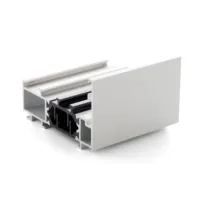
Polyamide Thermal Break, alüminyum profillerin iç ve dış yüzeyleri arasına yerleştirilen özel polyamid malzemelerdir. Bu sistem, alüminyumun yüksek ısı iletkenliğini keserek enerji kayıplarını önler. Cam elyaf takviyeli polyamid malzemeler kullanılarak üretilen thermal break sistemleri, düşük termal iletkenlik ve yüksek mekanik dayanım özellikleriyle öne çıkar.
Polyamide Thermal Break'in Temel Avantajları:
- Üstün Isı Yalıtımı: Düşük termal iletkenlik katsayısı (λ = 0.3 W/mK)
- Yüksek Mekanik Dayanım: Cam elyaf takviyesi ile güçlendirilmiş yapı
- Uzun Ömür: 30+ yıl dayanıklılık garantisi
- Çevre Dostu: Geri dönüştürülebilir malzeme
- Kolay İşlenebilirlik: Hassas toleranslarla üretim imkanı
Polyamide Thermal Break Sistemlerinin Enerji Tasarrufu Faydaları
1. Dramatik Enerji Tasarrufu Sağlar
Polyamide Thermal Break teknolojisi kullanılan binalarda:
- %40'a varan ısıtma maliyeti tasarrufu
- %35'e kadar soğutma gideri azalması
- Yıllık enerji faturalarında önemli düşüş
- Kısa sürede yatırım geri dönüşü
2. Kondens Problemini Tamamen Ortadan Kaldırır
- İç yüzeylerde nem birikimi önlenir
- Cam yüzeylerinde buğulanma engellenir
- Sağlıklı iç hava kalitesi sağlanır
- Küf ve rutubet sorunları ortadan kalkar
3. Akustik Performans Artışı
- Gelişmiş ses yalıtımı performansı
- Dış gürültünün %50'ye kadar azalması
- Daha sessiz ve konforlu yaşam alanları
Polyamide Thermal Break Çeşitleri ve Teknik Özellikleri
PA66 GF25 Polyamide Thermal Break
- %25 cam elyaf takviyeli
- Çekme mukavemeti: 190 MPa
- Termal genleşme katsayısı: 30 x 10⁻⁶ K⁻¹
- Çalışma sıcaklığı: -40°C ile +120°C arası
PA66 GF30 Polyamide Thermal Break
- %30 cam elyaf takviyeli
- Daha yüksek mekanik dayanım
- Endüstriyel uygulamalar için ideal
- Aşırı yük koşullarına dayanıklı
Polyamide Thermal Break Kullanım Alanları
Konut Projeleri
- Lüks villa ve rezidans projeleri
- Sosyal konut uygulamaları
- Enerji verimli konut sertifikasyonu
- Pasif ev standartları
Ticari Yapılar
- Ofis binaları ve plazalar
- Alışveriş merkezleri
- Otel ve turizm tesisleri
- Eğitim kurumları
Endüstriyel Uygulamalar
- Fabrika ve üretim tesisleri
- Soğuk hava depoları
- Temiz oda uygulamaları
- Teknik yapılar
Özel Projeler
- Hastane ve sağlık tesisleri
- Müze ve kültür merkezleri
- Spor kompleksleri
- Havalimanı terminal binaları
Polyamide Thermal Break Kalite Standartları
Uluslararası Sertifikasyonlar
- EN 14024: Avrupa termal bariyer standardı
- ISO 9001: Kalite yönetim sistemi
- CE Belgesi: Avrupa uygunluk işareti
- LEED Sertifikası: Sürdürülebilir yapı sertifikası
Test Parametreleri
- Termal performans testleri
- Mekanik dayanım analizleri
- UV dayanıklılık testleri
- Yangın güvenliği testleri
Polyamide Thermal Break Montaj ve Uygulama
Profesyonel Montaj Gereklilikleri
- Uzman teknik ekip
- Hassas ölçüm ve kesim
- Kaliteli yapıştırıcı kullanımı
- Montaj sonrası kalite kontrol
Uygulama Aşamaları
- Proje analizi ve hesaplama
- Malzeme seçimi ve tedarik
- Profil hazırlama işlemleri
- Thermal break yerleştirme
- Kalite kontrol ve test
Polyamide Thermal Break ile Sürdürülebilir Yapı
Çevresel Faydalar
- %60'a varan karbon ayak izi azalması
- Geri dönüştürülebilir malzeme yapısı
- Uzun ömür ile atık azaltımı
- Doğal kaynakların korunması
Ekonomik Avantajlar
- Düşük işletme maliyetleri
- Yüksek gayrimenkul değeri
- Devlet teşviklerinden yararlanma
- Uzun vadeli yatırım güvencesi
Polyamide Thermal Break Seçiminde Dikkat Edilecek Faktörler
Malzeme Kalitesi
- Cam elyaf oranı ve kalitesi
- Üretim toleransları
- UV dayanıklılık özellikleri
- Termal genleşme değerleri
Tedarikçi Güvenilirliği
- Sektörel deneyim süresi
- Teknik destek hizmeti
- Garanti süreleri
- Referans projeler
Sonuç: Polyamide Thermal Break'in Geleceği
Polyamide Thermal Break teknolojisi, enerji verimliliği hedeflerine ulaşmak isteyen tüm yapı projelerinin vazgeçilmez komponentidir. İklim değişikliği ve enerji maliyetlerinin artışıyla birlikte, bu teknolojinin önemi her geçen gün daha da artmaktadır.
Polyamide Thermal Break'in Başlıca Faydaları:
✅ %40'a varan enerji tasarrufu ile düşük işletme maliyetleri
✅ Üstün konfor koşulları ile yaşam kalitesi artışı
✅ Çevre dostu özellikler ile sürdürülebilir gelecek
✅ Yüksek dayanıklılık ile uzun ömürlü yatırım
✅ Uluslararası standartlar ile güvenilir performans
Türkiye'nin önde gelen polyamide thermal break üreticisi olarak, 25 yıllık sektörel deneyimimizle en kaliteli ve enerji verimli çözümler sunuyoruz. Geleceğin sürdürülebilir yapı teknolojilerine yatırım yapmak isteyen firmalar için mükemmel performans ve güvenilirlik sunan Polyamide Thermal Break sistemlerimizle projelerinize değer katıyoruz.
İletişim: Polyamide Thermal Break çözümlerimiz hakkında detaylı bilgi almak ve projenize özel teknik destek için uzman ekibimizle iletişime geçin.