
PA Isı Bariyeri Üretimi: Isı Yalıtımı, Mekanik Dayanım ve Sistem Performansı
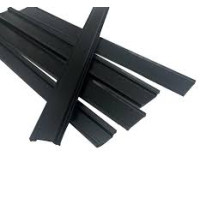
PA Isı Bariyeri Üretimi: Isı Yalıtımı, Mekanik Dayanım ve Sistem Performansı
Modern alüminyum doğrama ve cephe sistemlerinde enerji verimliliği, yalnızca cam performansıyla değil, profil içerisindeki ısı köprülerinin kontrolüyle de doğrudan ilişkilidir. Alüminyum yüksek ısıl iletkenliğe sahip bir malzeme olduğu için, iç ve dış yüzeyler arasında ciddi ısı transferi oluşabilir. Bu sorunu ortadan kaldırmak için kullanılan en kritik bileşenlerden biri PA ısı bariyeri (polyamid thermal break) elemanlarıdır.
PA ısı bariyerleri, alüminyum profilin iç ve dış parçalarını birbirinden ayırarak ısı transferini önemli ölçüde azaltır. Aynı zamanda mekanik yükleri taşıyabilmeli, montaj sırasında deformasyona uğramamalı ve uzun yıllar boyunca boyutsal stabilitesini korumalıdır. Bu nedenle PA ısı bariyeri üretimi; malzeme mühendisliği, ekstrüzyon teknolojisi, tolerans kontrolü ve kalite güvencesinin birlikte yönetildiği yüksek hassasiyetli bir üretim sürecidir.
PA Isı Bariyeri Teknolojisinin Gelişimi
Birinci Nesil: Temel Isı Bariyerleri ve Sınırlı Performans (1990-2005)
İlk dönem PA ısı bariyerleri, temel olarak iç ve dış alüminyum parçaları birbirinden ayırmaya yönelik tasarlanmıştır. Bu ürünler genellikle basit geometrilere sahipti ve sistem entegrasyonu sınırlıydı.
Temel Özellikler:
- Basit kesit geometrileri
- Sınırlı mekanik taşıma kapasitesi
- Standart polyamid hammaddeler
- Orta seviyede ısı yalıtımı
- Temel kapı ve pencere sistemleri için kullanım
Bu dönemde ısı bariyerleri, enerji verimliliğinden çok sistem bütünlüğü açısından değerlendirilen yardımcı elemanlar olarak görülmüştür.
İkinci Nesil: Cam Elyaf Takviyeli PA ve Sistem Uyumunun Artması (2005-2015)
Enerji verimliliği standartlarının yükselmesiyle birlikte PA ısı bariyerlerinde cam elyaf takviyesi yaygınlaşmıştır. Bu sayede hem mekanik dayanım hem de sıcaklık stabilitesi önemli ölçüde artmıştır.
Gelişmiş Özellikler:
- PA66 GF25 (cam elyaf takviyeli polyamid)
- Daha yüksek çekme ve kesme dayanımı
- Daha düşük lineer genleşme
- Alüminyum profillerle daha güçlü mekanik kilitleme
- Daha iyi sistem entegrasyonu
Bu nesilde PA ısı bariyeri elemanları, yalnızca yalıtım değil aynı zamanda profilin yapısal bütünlüğünü sağlayan kritik bir bileşen haline gelmiştir.
Üçüncü Nesil: Yüksek Performanslı ve Optimize Edilmiş PA Profiller (2015-Günümüz)
Günümüzde PA ısı bariyeri ürünleri, gelişmiş ekstrüzyon teknolojileri ve optimize edilmiş kesit tasarımları ile üretilmektedir. Hem yüksek mekanik dayanım hem de maksimum ısı yalıtımı aynı profil geometrisinde sağlanabilmektedir.
Yeni nesil PA profiller; karmaşık kilitleme kanalları, çok hücreli yapılar ve sistem bazlı tasarımlar sayesinde modern cephe sistemlerinin vazgeçilmez bir parçası haline gelmiştir.
PA Isı Bariyeri Tasarım Mantığı ve Çalışma Prensibi
PA Isı Bariyeri Nedir?
PA ısı bariyeri, alüminyum profilin iç ve dış yüzeyleri arasındaki ısı köprüsünü kesmek amacıyla kullanılan düşük ısıl iletkenliğe sahip bir ara malzemedir. Bu eleman genellikle cam elyaf takviyeli polyamid (PA66 GF25) malzemeden ekstrüzyon yöntemiyle üretilir.
Temel Yapı Bileşenleri:
- Polyamid Gövde: Isı iletimini azaltan ana yapı
- Kilitleme Kanalları: Alüminyum profille mekanik bağlantı
- Takviye Elyafı: Mekanik dayanım ve stabilite
- Çok Hücreli Geometri: Isı geçiş yolunu uzatan yapı
PA Isı Bariyeri Avantajları
Teknik Üstünlükler:
- Isı köprülerinin önemli ölçüde azaltılması
- Yüksek mekanik dayanım
- Alüminyum profille güçlü mekanik kilitleme
- Sıcaklık değişimlerinde boyutsal stabilite
- Uzun servis ömrü
Performans İyileştirmeleri:
- U değerinde önemli düşüş
- Yoğuşma riskinin azalması
- Daha yüksek enerji verimliliği
- Yüksek rüzgâr yüklerine dayanım
- Uzun vadeli sistem stabilitesi
Ekonomik Faydalar:
- Enerji tüketiminde azalma
- Yüksek enerji sınıfı yapı sertifikalarına katkı
- Daha düşük bakım ihtiyacı
- Uzun sistem ömrü
- Yapı değerinde artış
PA Isı Bariyeri Üretim Sürecinde Kritik Faktörler
1. Hammadde Kalitesi
PA ısı bariyeri üretiminde kullanılan hammadde, ürün performansını doğrudan etkiler. En yaygın kullanılan malzeme PA66 GF25’tir.
- Cam elyaf oranı (%25 civarında)
- Düşük nem oranı
- Homojen granül dağılımı
- Yüksek sıcaklık dayanımı
- Stabil viskozite değerleri
Nem kontrolü özellikle kritik bir parametredir. Polyamid malzeme higroskopik olduğu için üretim öncesinde kontrollü kurutma gerektirir.
2. Ekstrüzyon Teknolojisi
PA ısı bariyeri profilleri genellikle plastik ekstrüzyon yöntemiyle üretilir. Bu süreçte sıcaklık, basınç ve hız parametreleri hassas şekilde kontrol edilmelidir.
- Homojen eriyik akışı
- Stabil kalıp sıcaklığı
- Düşük iç gerilim oluşumu
- Kesit geometrisinin korunması
- Yüzey kalitesinin sağlanması
Kalıp tasarımı da üretim stabilitesinde önemli rol oynar. Özellikle kilitleme kanallarının geometrisi yüksek hassasiyet gerektirir.
3. Cam Elyaf Dağılımı
Cam elyaf takviyesi PA profilin mekanik dayanımını artırır. Ancak liflerin homojen dağılımı kritik öneme sahiptir.
- Homojen lif dağılımı
- Doğru lif yönlenmesi
- Yüksek çekme dayanımı
- Düşük deformasyon
- Uzun vadeli stabilite
4. Boyutsal Toleranslar
PA ısı bariyeri elemanları, alüminyum profillerle milimetrik toleranslarla çalışır. Bu nedenle üretimde boyutsal kontrol kritik bir aşamadır.
- Profil genişliği toleransı
- Kilitleme kanal ölçüleri
- Doğrusallık kontrolü
- Termal genleşme uyumu
- Montaj stabilitesi
Yüksek tolerans hassasiyeti, haddeleme ve krimping süreçlerinde oluşabilecek montaj hatalarını önler.
5. Kalite Kontrol ve Test Süreçleri
PA ısı bariyeri üretiminde kalite kontrol yalnızca boyutsal ölçümle sınırlı değildir. Mekanik ve termal testler de yapılmalıdır.
- Çekme dayanımı testleri
- Kesme dayanımı testleri
- Isı dayanım testleri
- Boyutsal ölçümler
- Yüzey kalite kontrolü
Bu testler, ürünün uzun süreli kullanımda mekanik ve termal performansını doğrulamak için gereklidir.
Sürdürülebilirlik: PA Isı Bariyeri Sistemlerinde Enerji Verimliliği
Enerji Performansı ve Karbon Azaltımı
PA ısı bariyeri teknolojisi, yapıların enerji performansını doğrudan iyileştirir. Isı kayıplarının azaltılması sayesinde bina enerji tüketimi önemli ölçüde düşer.
Sürdürülebilirlik Katkıları:
- Daha düşük ısıtma ve soğutma enerjisi
- Karbon emisyonlarının azalması
- Daha yüksek enerji sınıfı
- Daha uzun sistem ömrü
Malzeme Verimliliği ve Uzun Servis Ömrü
PA ısı bariyerleri yüksek dayanım ve stabilite sunduğu için uzun yıllar boyunca performansını korur. Bu da yapı sistemlerinin daha uzun ömürlü olmasını sağlar.
- Yüksek sıcaklık dayanımı
- Düşük deformasyon
- Uzun servis ömrü
- Minimum bakım gereksinimi
Gelecek Perspektifi
Enerji verimliliği standartlarının giderek yükselmesi, PA ısı bariyeri teknolojisinin önemini artırmaktadır. Daha karmaşık profil geometrileri, gelişmiş malzemeler ve yüksek hassasiyetli üretim teknikleri sayesinde bu bileşenler modern alüminyum sistemlerin temel yapı taşlarından biri haline gelmiştir.
Doğru hammadde seçimi, hassas ekstrüzyon teknolojisi ve sıkı kalite kontrol süreçleriyle üretilen PA ısı bariyeri elemanları, hem enerji performansı hem de mekanik güvenilirlik açısından modern yapı sistemlerinde kritik rol oynamaya devam edecektir.