
Kutu Profiller: Yapısal Dayanım, Sistem Rijitliği ve Modern Cephe Çözümleri
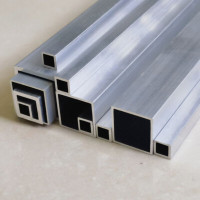
Kutu Profiller: Yapısal Dayanım, Sistem Rijitliği ve Modern Cephe Çözümleri
Alüminyum doğrama, cephe ve taşıyıcı sistemlerde artan açıklıklar, daha ağır cam kombinasyonları ve yükselen rüzgâr yükleri, kullanılan profil geometrilerinin yapısal kapasitesini doğrudan belirleyici hale getirmiştir. Kutu profiller; kapalı kesit geometrisi sayesinde yüksek atalet momenti, burulma direnci ve stabil yük aktarımı sunarak modern mimaride kritik bir rol üstlenir. Türkiye’de özellikle yüksek katlı yapılar, geniş vitrin sistemleri ve mimari cephe uygulamalarında kutu profiller, hem taşıyıcı hem de tasarımsal bir çözüm olarak öne çıkmaktadır.
Kutu Profil Teknolojisinin Evrimi
Birinci Nesil: Basit Kapalı Kesitler ve Sınırlı Uygulamalar (1990-2005)
Kutu profillerin ilk kullanım dönemlerinde, kesit geometrileri nispeten basit tutulmuş ve daha çok statik taşıyıcılık ihtiyacına yönelik tasarlanmıştır. Bu dönemde kutu profiller, üretim kolaylığı ve temel rijitlik avantajı sunmasına rağmen, sistem entegrasyonu ve estetik beklentiler açısından sınırlı kalmıştır.
Temel Özellikler:
- Düz ve simetrik kapalı kesit geometrileri
- Sınırlı kesit varyasyonu
- Orta seviyede eğilme ve burulma dayanımı
- Standart alüminyum alaşımları (6060 / 6063)
- Temel cephe ve taşıyıcı karkas uygulamaları
Bu dönemde kutu profiller daha çok yardımcı taşıyıcı elemanlar ve iç mekân uygulamalarında tercih edilmiştir.
İkinci Nesil: Optimizasyon ve Sistem Entegrasyonu (2005-2015)
2000’li yıllarla birlikte, kesit optimizasyonu ve sistem entegrasyonu ön plana çıkmıştır. Kutu profiller; kanat, kasa ve cephe sistemleriyle uyumlu hale getirilmiş, bağlantı detayları ve montaj toleransları iyileştirilmiştir.
Gelişmiş Özellikler:
- Optimum et kalınlığı ve kesit oranları
- Artırılmış atalet momenti (Ix / Iy)
- Daha iyi burulma direnci
- Kaynaklı ve mekanik bağlantıya uygun tasarım
- Orta-yüksek yapısal performans
Bu nesilde kutu profiller, yalnızca taşıyıcı değil, aynı zamanda sistem bütünlüğünü sağlayan ana bileşenler olarak ele alınmaya başlanmıştır.
Üçüncü Nesil: Yüksek Performanslı ve Çok Fonksiyonlu Kutu Profiller (2015-Günümüz)
Günümüzde kutu profiller, yüksek mukavemetli alaşımlar, optimize edilmiş kesit geometrileri ve mimari beklentileri karşılayan yüzey çözümleriyle üretilmektedir. Statik performans, estetik ve montaj kolaylığı aynı kesitte birleştirilmektedir.
Kutu Profillerin Tasarım Mantığı ve Çalışma Prensibi
Kutu Profil Nedir?
Kutu profil, kesiti tamamen kapalı olan ve bu sayede yükleri çevresel olarak dağıtan alüminyum profil türüdür. Kapalı kesit yapısı, açık profillere kıyasla çok daha yüksek burulma rijitliği ve eğilme dayanımı sağlar.
Kesit Yapısı:
- Kapalı Gövde: Yüklerin homojen dağılımı
- Eşit veya Asimetrik Et Kalınlıkları: Yük yönüne göre optimizasyon
- Bağlantı Yüzeyleri: Vida, kaynak veya bağlantı elemanları için alanlar
Kutu Profillerin Avantajları
Teknik Üstünlükler:
- Yüksek eğilme ve burulma dayanımı
- Geniş açıklıklarda minimum sehim
- Rüzgâr ve dinamik yüklere karşı stabilite
- Sistem rijitliğinin artması
- Uzun ömürlü yapısal performans
Performans İyileştirmeleri:
- Atalet momentinde %30-60 artış (açık kesitlere göre)
- Daha düşük titreşim ve salınım
- Yüksek bağlantı güvenliği
- Statik hesaplarda daha öngörülebilir davranış
- Hizmet ömrü: 40+ yıl
Ekonomik Faydalar:
- Daha az ilave taşıyıcı ihtiyacı
- Montaj süresinde kısalma
- Bakım ve güçlendirme maliyetlerinde azalma
- Uzun vadede toplam sistem maliyetinde düşüş
Kutu Profil Üretim ve Uygulama Süreci
1. Tasarım ve Mühendislik:
- Statik ve dinamik yük analizleri
- Kesit optimizasyonu (et kalınlığı / oranlar)
- Sistemle uyumlu bağlantı detayları
- Üretilebilirlik ve tolerans değerlendirmesi
2. Ekstrüzyon:
- Kapalı kesite uygun kalıp tasarımı
- Alaşım seçimi (6060, 6063, 6082)
- Homojen et kalınlığı kontrolü
- Boyutsal stabilite takibi
3. İşleme ve Montaj Uyumu:
- Kesme, delme ve kanal açma işlemleri
- Bağlantı elemanlarıyla uyum kontrolü
- Kaynaklı veya mekanik montaj seçenekleri
- Saha tolerans yönetimi
4. Kalite Kontrol:
- Boyut ve et kalınlığı ölçümleri
- Düzgünlük ve doğrusalık kontrolleri
- Yüzey kalite incelemesi
- Mekanik performans doğrulaması
Sürdürülebilirlik: Kutu Profillerde Uzun Ömürlü Yapısal Çözümler
Kaynak Verimliliği ve Dayanıklılık
Kutu profillerin yüksek rijitliği ve uzun hizmet ömrü, yapı sistemlerinde daha az malzeme kullanımı ve daha seyrek yenileme ihtiyacı anlamına gelir. Bu durum, yapı yaşam döngüsü boyunca enerji ve kaynak tüketimini azaltır.
Sürdürülebilirlik Göstergeleri:
- Daha uzun servis ömrü ile düşük malzeme tüketimi
- Yapısal güçlendirme ihtiyacında azalma
- Alüminyumun %100 geri dönüştürülebilir olması
- Düşük bakım ve onarım sıklığı
Geri Dönüştürülmüş Alüminyum ile Kutu Profiller
Post-Endüstriyel Geri Dönüşüm:
- Ekstrüzyon üretim artıkları
- Yüksek alaşım saflığı
- Statik performansta minimum kayıp
- Karbon ayak izinde belirgin düşüş
Post-Tüketici Geri Dönüşüm:
- Kullanım ömrü tamamlanmış alüminyum ürünler
- Ayrıştırma ve rafinasyon gereksinimi
- Yapısal profiller için kontrollü kullanım
- Döngüsel ekonomi katkısı
Geri Dönüşüm Süreci ve Kalite Güvencesi
İşleme Adımları:
- Toplama: Kaynağına göre ayrıştırma
- Temizleme: Kaplama ve yabancı maddelerin giderilmesi
- Ergitme: Kontrollü alaşım kompozisyonu
- Döküm: Kütük (billet) üretimi
- Ekstrüzyon: Profil formunun oluşturulması
- Test ve Doğrulama: Mekanik ve boyutsal kontroller
Gelişmiş Kalite Yaklaşımları: